
'/%3E%3C/svg%3E)



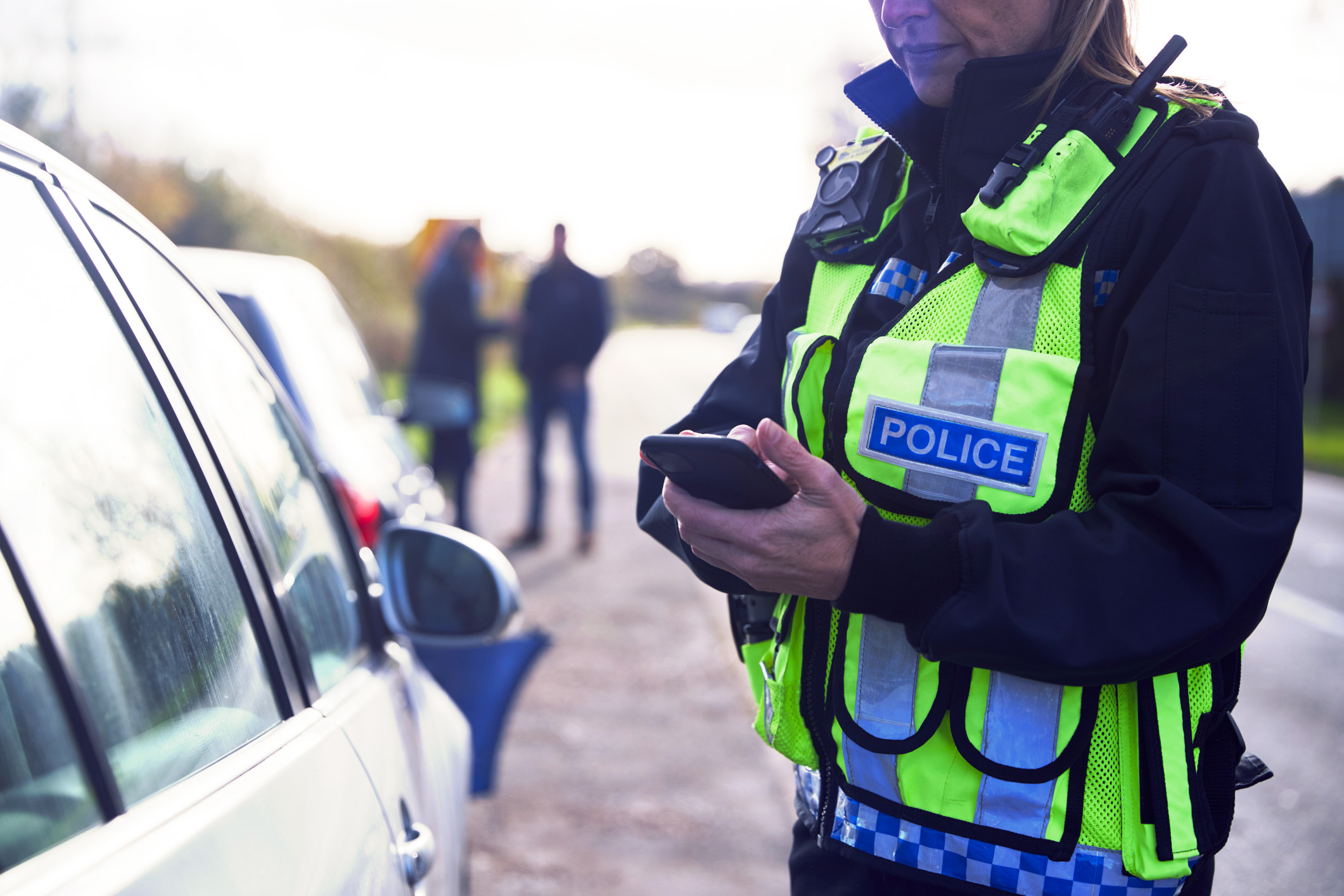
Police forces across the UK are facing a complex mix of operational demand, workforce pressures, and the ongoing challenge of managing administrative workload. The demands of modern policing require not only frontline strength but also efficient processes behind the scenes. In 2026, digital transformation remains central to improving police productivity – and tools like Diktamen’s cloud voice capture and documentation workflows are playing an important role.
The Productivity Challenge in UK Policing
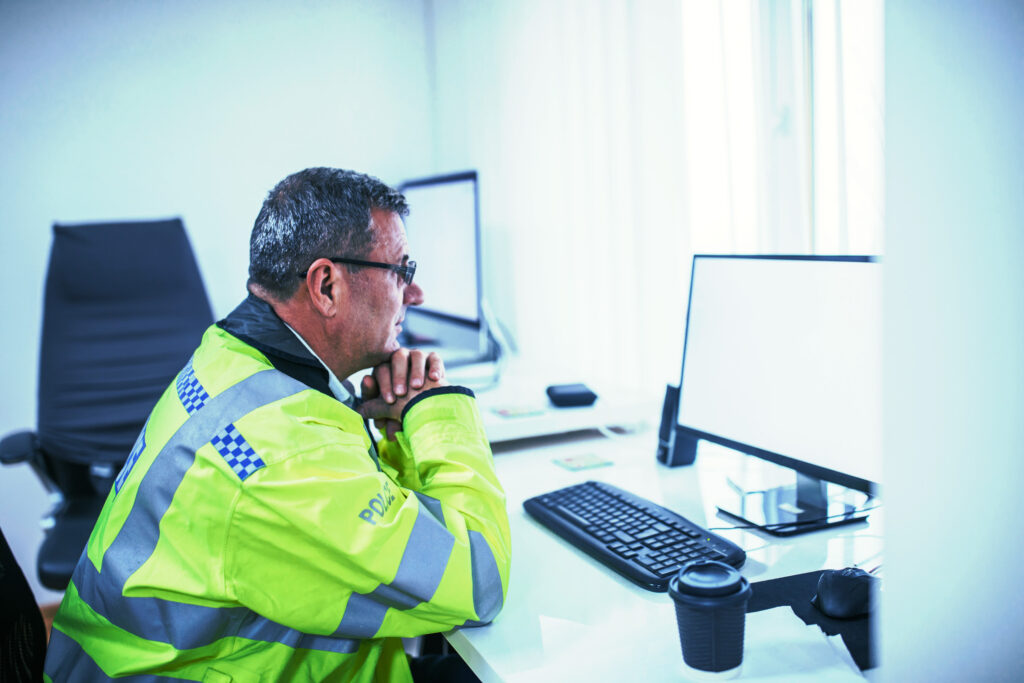
Police officers in England and Wales devote significant time not only to incident response but also to the paperwork and administrative tasks that follow. According to the Home Office Police Activity Survey, routine paperwork and administrative activities – including non-incident related tasks – still occupy a notable proportion of an officer’s time during general crime and public safety duties.
While exact figures for hours spent on administrative tasks vary, independent sector analysis has repeatedly identified bureaucracy – particularly repetitive data entry and structured report writing – as a source of organisational stress and inefficiency for police forces.
In addition, serious investment in technology has been shown to offer productivity gains. The National Police Chiefs’ Council and associated bodies have estimated that broader adoption of science and technology across policing could free up as much as 15 million hours of officer time annually – time that could be redirected to core duties such as investigation, visible patrol, and community engagement.
The Role of Voice Technology in Operational Efficiency
At Diktamen, we work with forces to help reduce these administrative pressures by enabling secure, cloud-based voice capture and structured documentation workflows that align with police needs.
Modern policing involves multiple forms of documentation:
- Incident and crime reports
- Witness statements
- Custody records
- Case notes and investigative briefs
- Risk assessments and briefings
These tasks, while crucial to public safety and legal standards, take time – particularly when officers must stop to write notes, return to stations, or redo documentation after long shifts.
Turning Voice Into Productivity
Diktamen’s platform allows officers to capture audio securely while still in the field. That audio can then be processed into structured draft text – complete with templates and formatting – ready for review and finalisation. This process reduces the need for manual transcription later and speeds up the overall reporting lifecycle.
Key advantages include:
- Mobile voice capture: Officers can dictate reports via mobile devices immediately after incidents, reducing reliance on handwritten notes.
- Structured draft output: Recorded audio is converted into organised text and professional templates, cutting hours from report drafting.
- Workflow automation: Drafts can be routed to administrative or investigative teams with secure audit trails and controlled access.
- Cloud accessibility: Documentation is available across sites, supporting hybrid and control room workflows.
This not only cuts administrative time but also aligns with broader digital ambitions in policing: forces are actively embracing technology to modernise workflows and reduce strain on officers’ time.
Supporting Broader Police Digital Strategy
The National Policing Digital Strategy emphasises that meaningful technology adoption – including data management, digital tools, and workflow solutions – is vital to delivering a more effective police service.
In 2026, police forces are still navigating ageing legacy systems and varied technology maturity levels across forces, prompting a clear need for scalable, easy-to-deploy tools that complement existing infrastructure rather than replace it entirely. Recent audits of national police agencies have underscored the limitations of outdated systems and the opportunity for modern cloud solutions to improve data access and interoperability.
The Human and Operational Impact
Ultimately, technology like Diktamen doesn’t replace skilled human judgement – it frees officers from repetitive tasks so they can focus on the core duties that define policing: investigation, community engagement, and public safety.
By converting voice data into structured documentation efficiently and securely, police forces are able to:
- Reduce time spent on paperwork and administrative backlog
- Improve accuracy and consistency of reports
- Speed up investigative and case preparation processes
- Maintain strong governance and audit trails
- Free up officer time for operational duties
Looking Ahead
As policing continues to evolve in response to shifting crime patterns, resource pressures, and organisational reform, platforms such as Diktamen are helping forces modernise fundamental workflows. The future of policing in the UK will inevitably be shaped by the effective adoption of digital tools – not just for intelligence and investigation, but for the everyday work that keeps communities safe.
Ready to reduce administrative burden and streamline incident reporting?
Diktamen’s secure cloud dictation and voice-first workflows help police teams capture accurate documentation faster, improve compliance, and return valuable time to frontline policing.
Speak to our team to learn how Diktamen can support your force.