
'/%3E%3C/svg%3E)



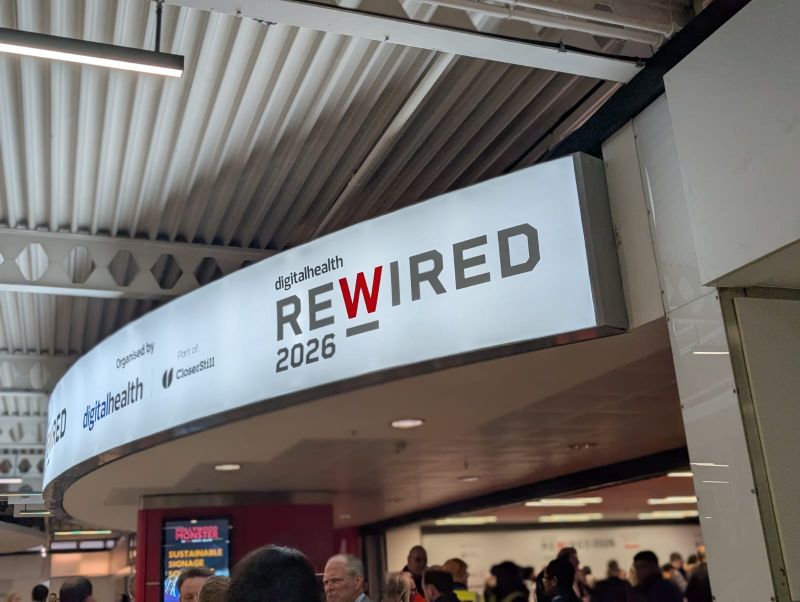
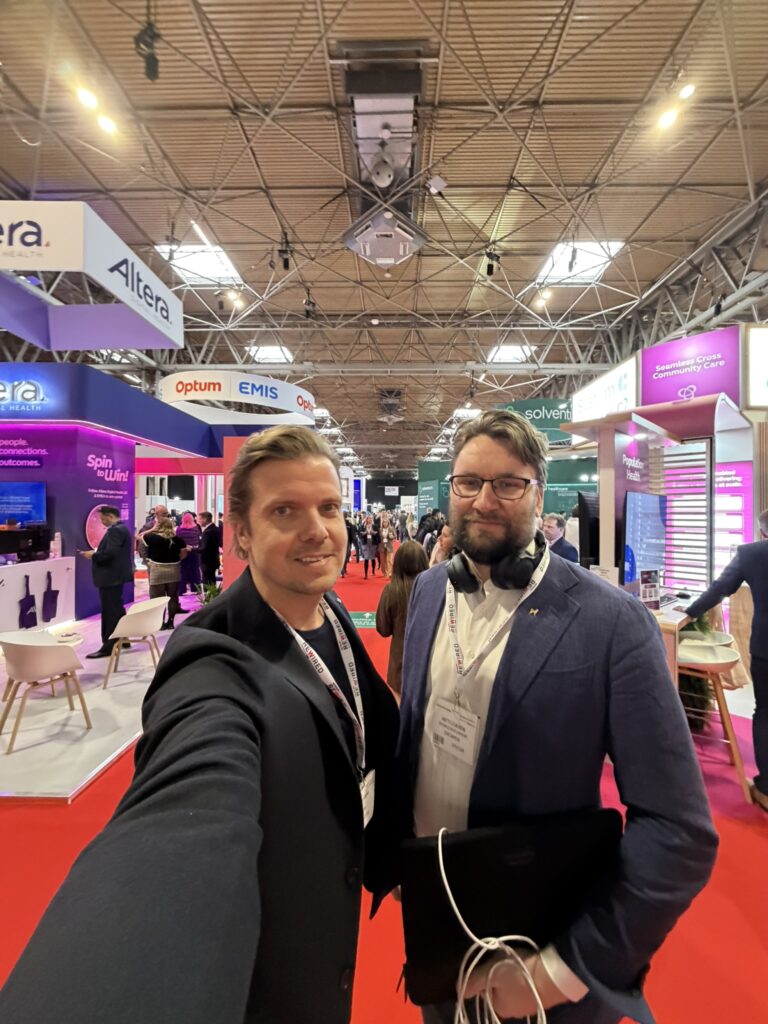
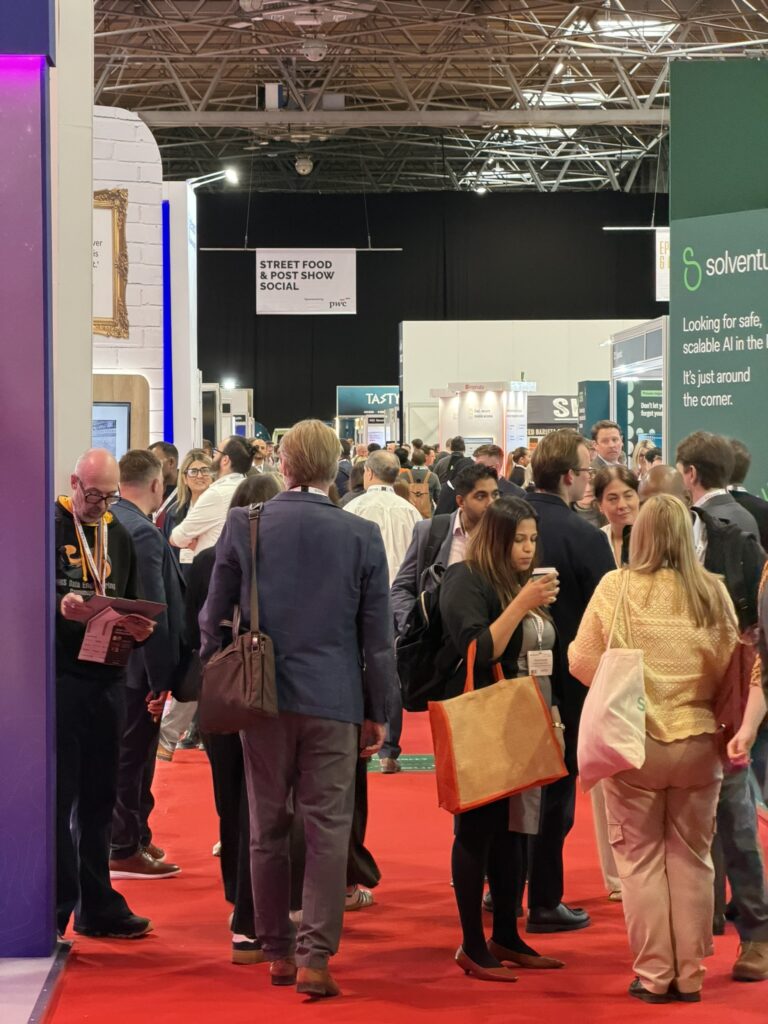
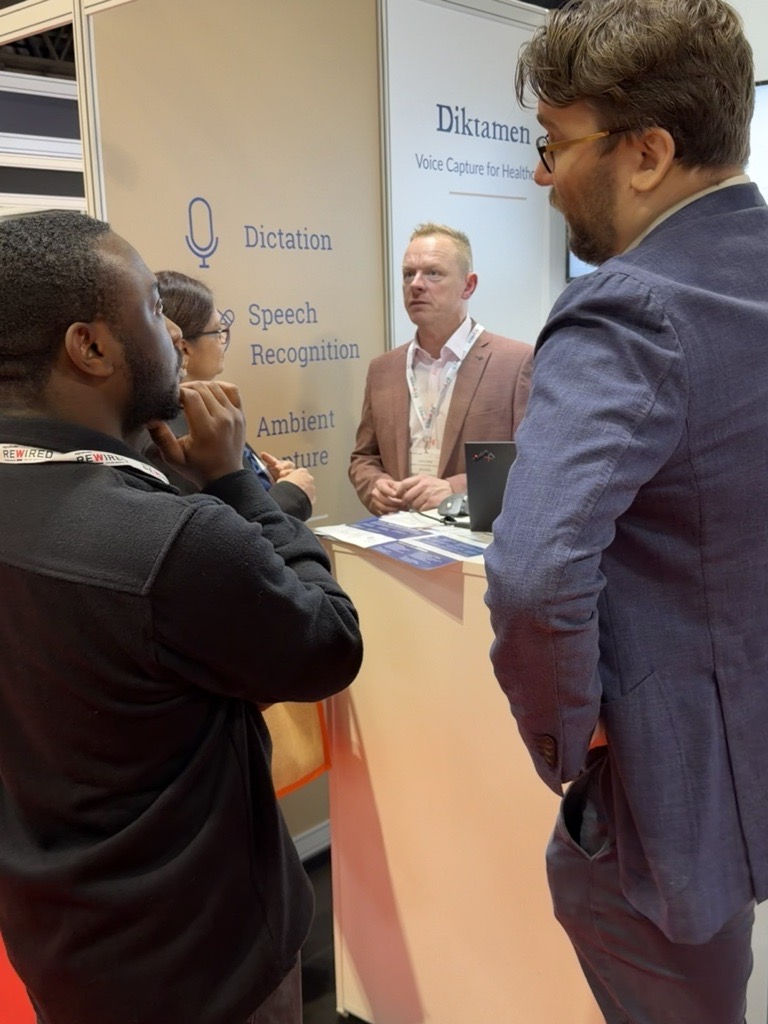
Two weeks back, John Evans and our Healthcare team spent two days at Digital Health Rewired 2026, speaking with clinicians, partners, and innovators across the healthcare ecosystem.
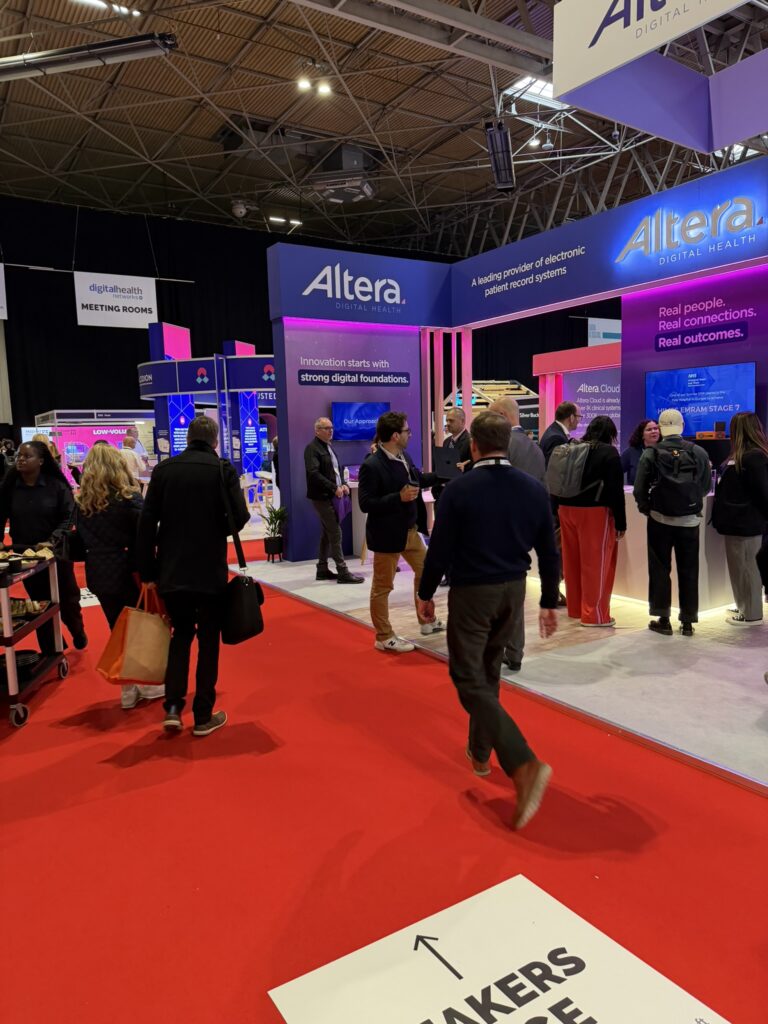
With over 5,000 attendees, it was clear that digital health is no longer a future conversation, it is happening now.
But what stood out wasn’t just the technology.
It was the shift in thinking.
Less Noise, More Value
Across conversations, one message came through consistently:
Healthcare doesn’t need more tools.
It needs better use of the ones already in place.
There’s no shortage of innovation in the market. In fact, quite the opposite. The challenge now is not creating more platforms, but ensuring systems connect, integrate, and actually deliver value in day-to-day clinical workflows.
For many organisations, the priority is clear:
- Reduce administrative burden
- Improve data flow across systems
- Enable clinicians to focus on patients, not processes
Integration is No Longer Optional
A recurring theme was interoperability.
Whether speaking to NHS teams, partners, or suppliers, the expectation is no longer “can it integrate?” but “how quickly and effectively can it integrate?”
Disconnected systems create friction.
Connected systems create efficiency.
The real opportunity lies in:
- Joining up clinical data
- Embedding into existing workflows
- Avoiding duplication of effort
Technology that sits alongside clinicians, rather than outside of their workflow, is what will drive adoption.
Ambient Voice Technology is Gaining Momentum
One of the most talked-about areas at Rewired was Ambient Voice Technology (AVT).
The idea is simple, but powerful:
Capture conversations and clinical interactions as they happen, and turn them into structured outputs automatically.
What’s changed is the level of maturity.
There is now genuine momentum behind:
- Real-time capture of consultations
- Automated clinical documentation
- AI-supported summarisation and coding
For clinicians, this represents a shift away from manual note-taking and towards more natural, conversation-led workflows.
The Real Goal: Reducing Pressure on Clinicians
Every conversation ultimately came back to the same problem:
Time.
Clinicians are under pressure, and documentation is a major contributor. The most valuable solutions are not those that add new layers, but those that remove friction.
The focus is shifting towards:
- Faster documentation
- Less duplication
- More time with patients
- Better quality outputs
Technology must work quietly in the background, supporting clinicians rather than demanding attention.
From Innovation to Implementation
Perhaps the most encouraging takeaway was the sense of progress.
There is a growing alignment across:
- Healthcare providers
- Technology vendors
- Integration partners
The conversation is no longer theoretical. It is practical.
Organisations are actively exploring:
- How to deploy solutions
- How to scale them
- How to measure real impact
This is where meaningful change happens.
Where Diktamen Fits
At Diktamen, our focus is simple.
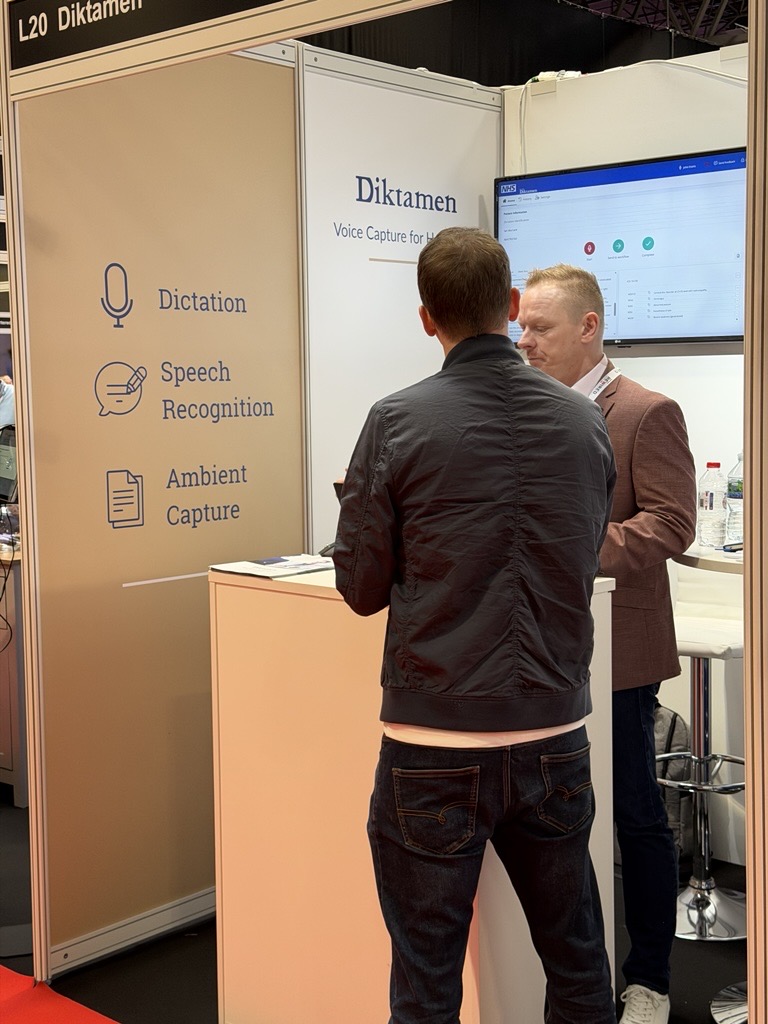
We help healthcare professionals capture information using voice and turn it into structured clinical outputs, whether through dictation, speech recognition, or ambient capture.
What Rewired reinforced is that this approach is not just relevant, it is essential.
By integrating into existing systems and workflows, voice becomes a powerful way to:
- Reduce administrative burden
- Improve documentation speed and accuracy
- Support better patient care
Final Thoughts
Rewired 2026 wasn’t about hype.
It was about direction.
The future of digital health isn’t about adding more technology.
It’s about making technology work better together.
And most importantly, making it work for the people who rely on it every day.
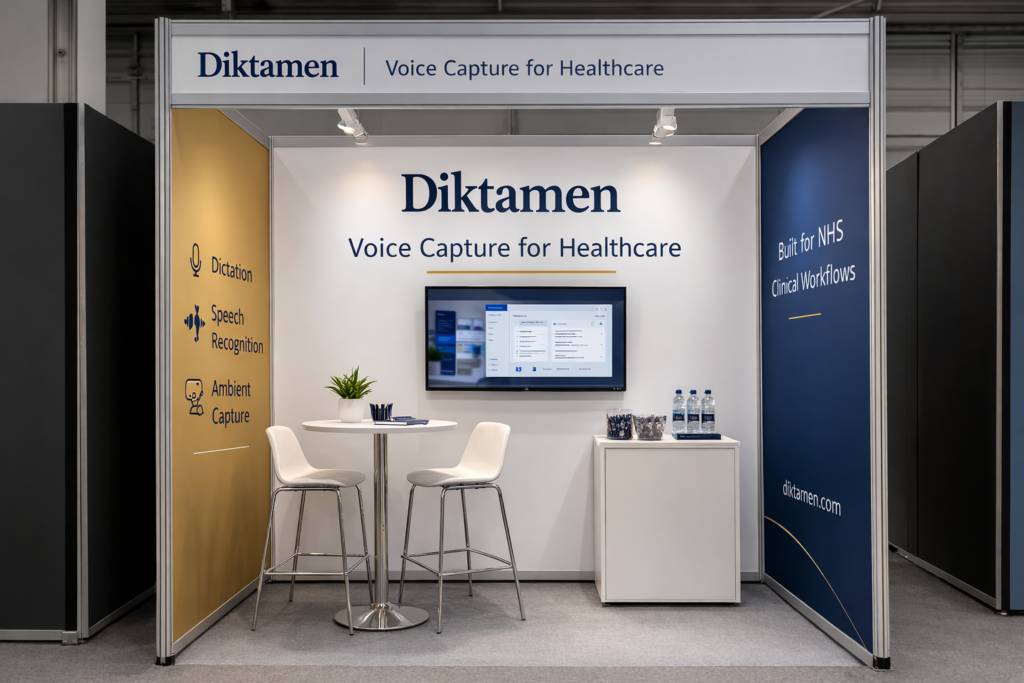
Attending Digital Health Rewired 2027?
If so, we’d love to connect. Get in touch to arrange a meeting and explore how we can support your clinical workflows.