



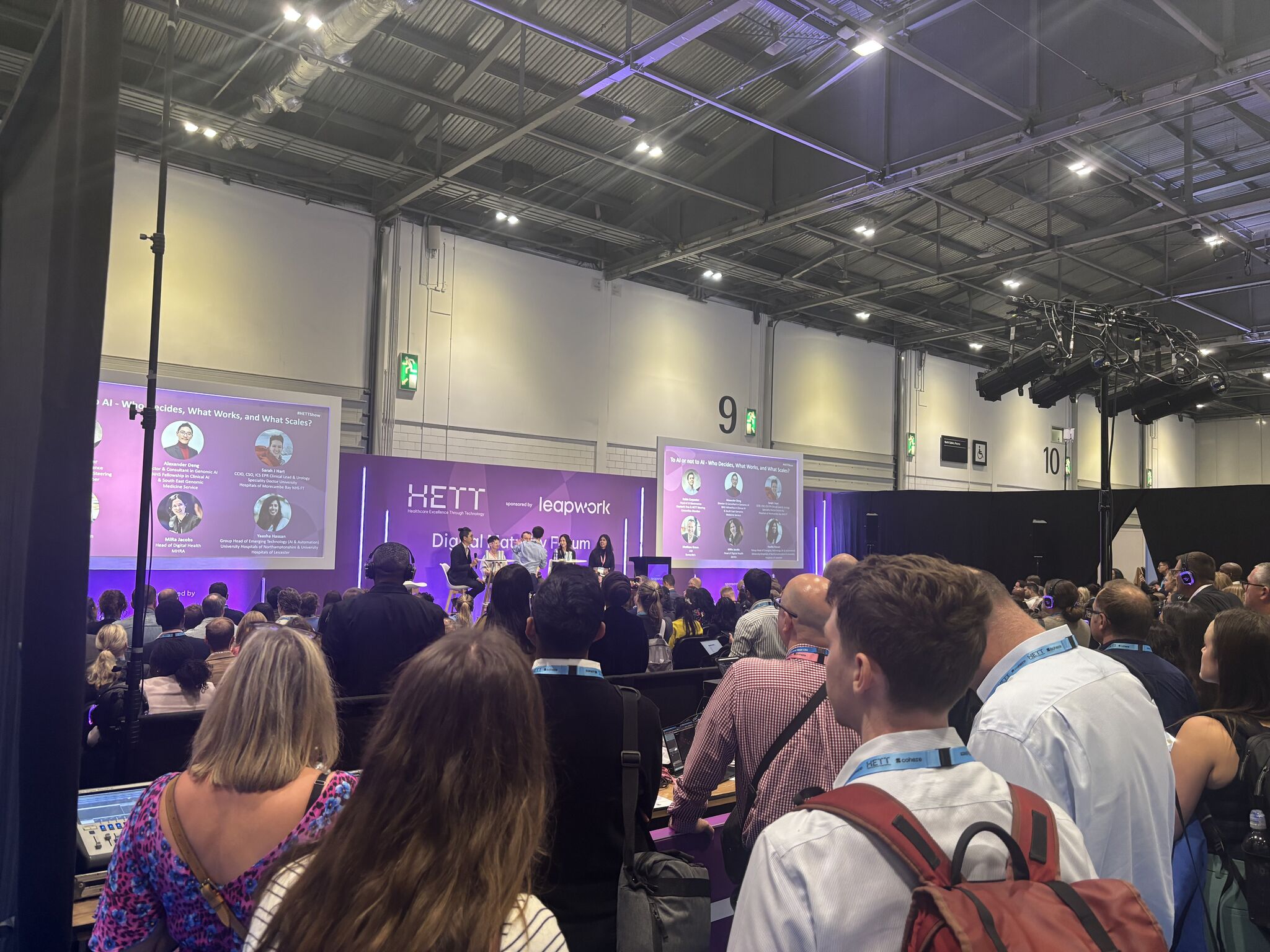
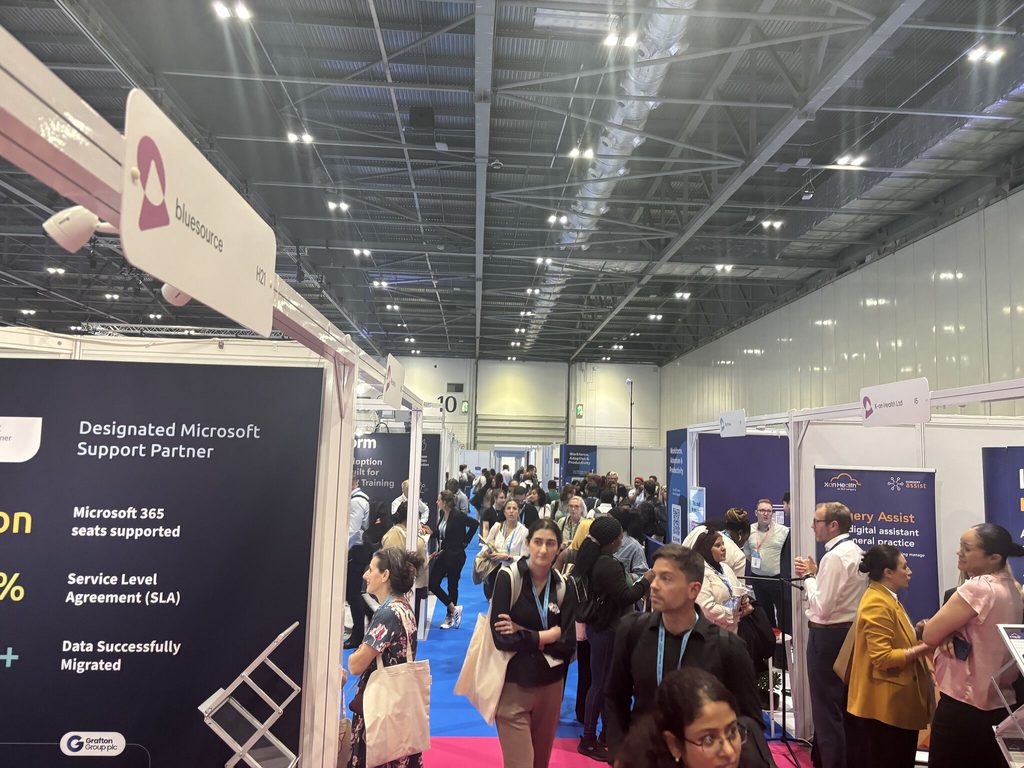
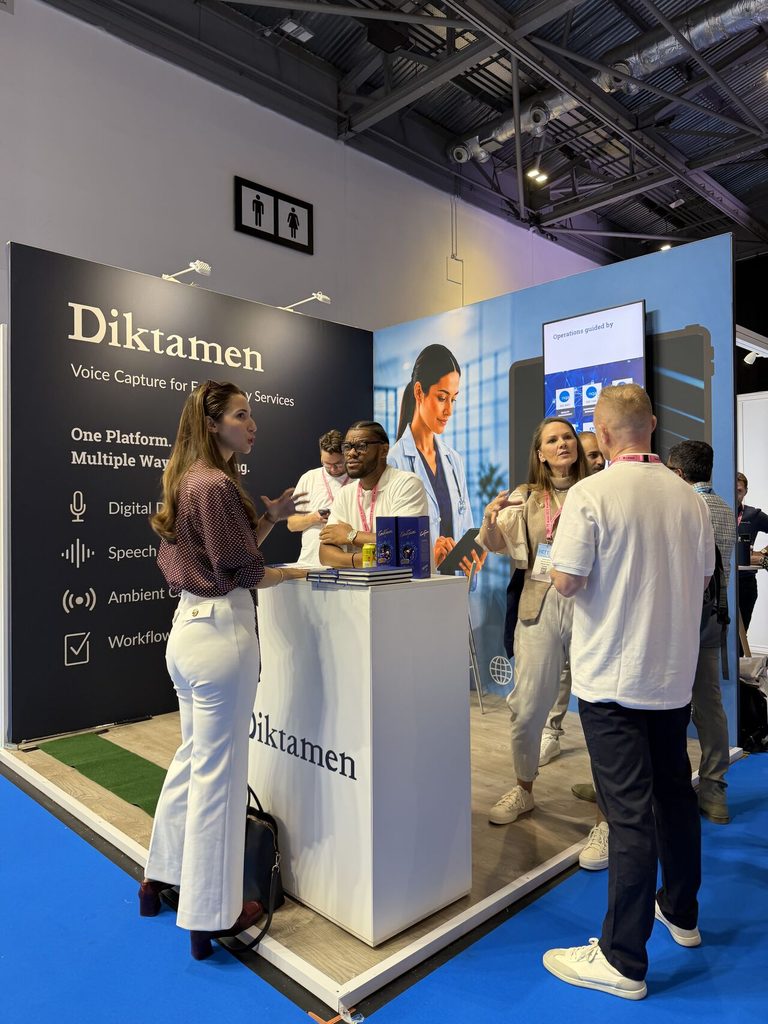
After two busy days at HETT 2026 at ExCeL London, one thing came through clearly: healthcare organisations are actively looking at how technology can help their people work more efficiently while improving the experience of patient care.
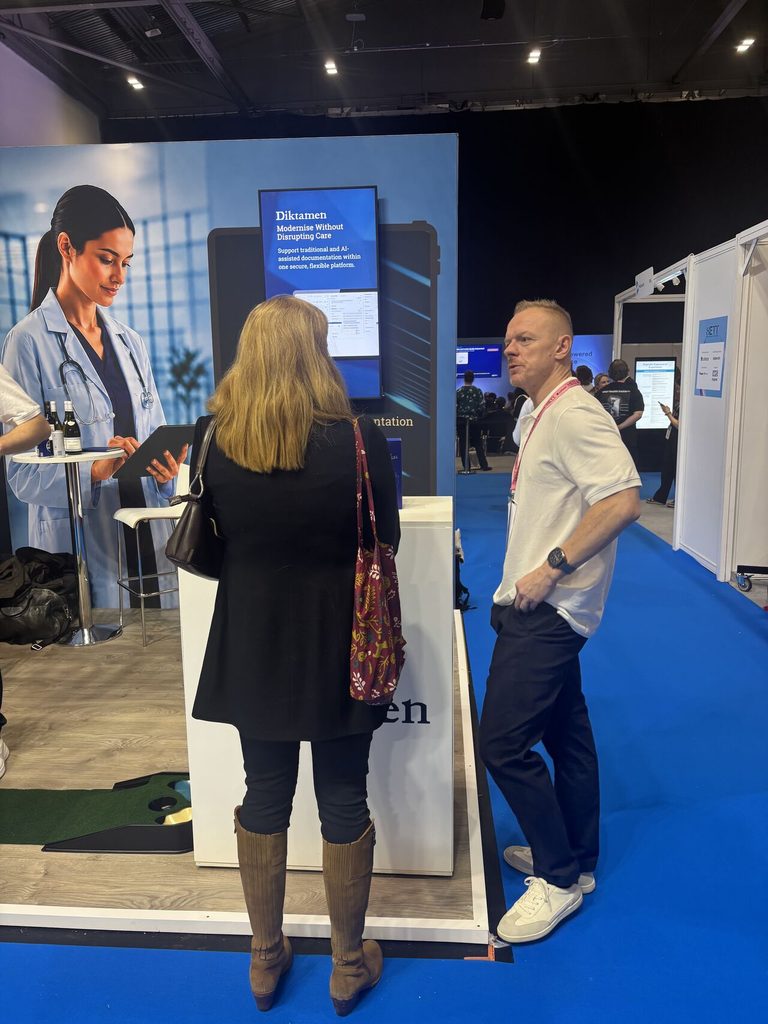
For us at Diktamen, it was a fantastic opportunity to speak directly with healthcare professionals, technology teams, NHS organisations and other suppliers about the challenges they are facing today and what they are planning for the future.
And while AI was naturally a major part of the conversation, the discussions went much further than simply adopting AI for the sake of it.
Supporting healthcare professionals, not changing how they work
One of the strongest themes we took away from HETT was the focus on using technology to support healthcare professionals rather than forcing them to completely change the way they work.
Clinicians already have established ways of consulting with patients, recording information and progressing care. The opportunity for new technology is to fit around those workflows and remove some of the administrative burden that surrounds them.
That means less time spent manually creating documentation, transferring information between systems or completing repetitive administrative tasks, and more time available to focus on the patient.
This was particularly encouraging to hear because it reflects how we believe healthcare technology should be developed: technology should adapt to the professional wherever possible, rather than expecting the professional to adapt to the technology.
AI is becoming part of the healthcare roadmap
AI was everywhere at HETT, but what stood out was the maturity of many of the conversations.
The discussion is increasingly moving beyond “What can AI do?” towards “Where can we practically use it?”
Healthcare organisations are exploring where AI can support existing processes, reduce administration, improve the speed at which information becomes available and help teams make better use of the data they already capture.
There is still rightly a great deal of consideration around governance, security, accuracy and implementation, but it was clear from our conversations that AI is increasingly becoming part of future technology planning.
Integration is becoming essential
Another recurring theme was integration.
Healthcare professionals often work across multiple systems, and introducing another isolated application doesn’t necessarily solve the underlying problem.
The real opportunity comes when information can move more easily between technologies.
We heard considerable discussion around connecting new solutions with established platforms such as EMIS and TPP SystmOne, alongside other EPR, PAS and specialist systems used across primary, secondary and emergency care.
For both large technology providers and smaller innovators, interoperability is becoming increasingly important.
Capturing information faster is valuable. Being able to move that information into the right system, trigger the next stage of a workflow and make it available to the people who need it is where much greater efficiency can be achieved.
Ambient capture was a major talking point
Perhaps unsurprisingly, ambient technology generated some of the most interesting conversations we had over the two days.
There was interest across primary care, secondary care and emergency services, with professionals considering how ambient capture could support very different clinical environments.
The attraction is easy to understand.
Rather than requiring a clinician to spend additional time documenting an interaction afterwards, ambient technology has the potential to capture the conversation and help produce structured documentation from the consultation itself.
But the conversations at HETT also reinforced something important: ambient capture cannot exist in isolation.
The output needs to fit the organisation’s templates, terminology and workflows. It needs to reach the appropriate clinical system. And ultimately, it needs to save the healthcare professional time without adding another layer of complexity.
That is where we believe the next stage of development will be particularly interesting.
A very positive two days for Diktamen
We were overwhelmed by the level of interest in Diktamen’s solutions throughout HETT.
From Digital Dictation and Speech Recognition through to Ambient Capture, Meeting Capture and workflow technology, we had the opportunity to demonstrate how voice and AI can support different stages of healthcare documentation.
More importantly, we were able to listen.
Events like HETT give technology providers an invaluable opportunity to hear directly from the people using these systems, understand where the real friction exists and ensure future development addresses genuine problems.
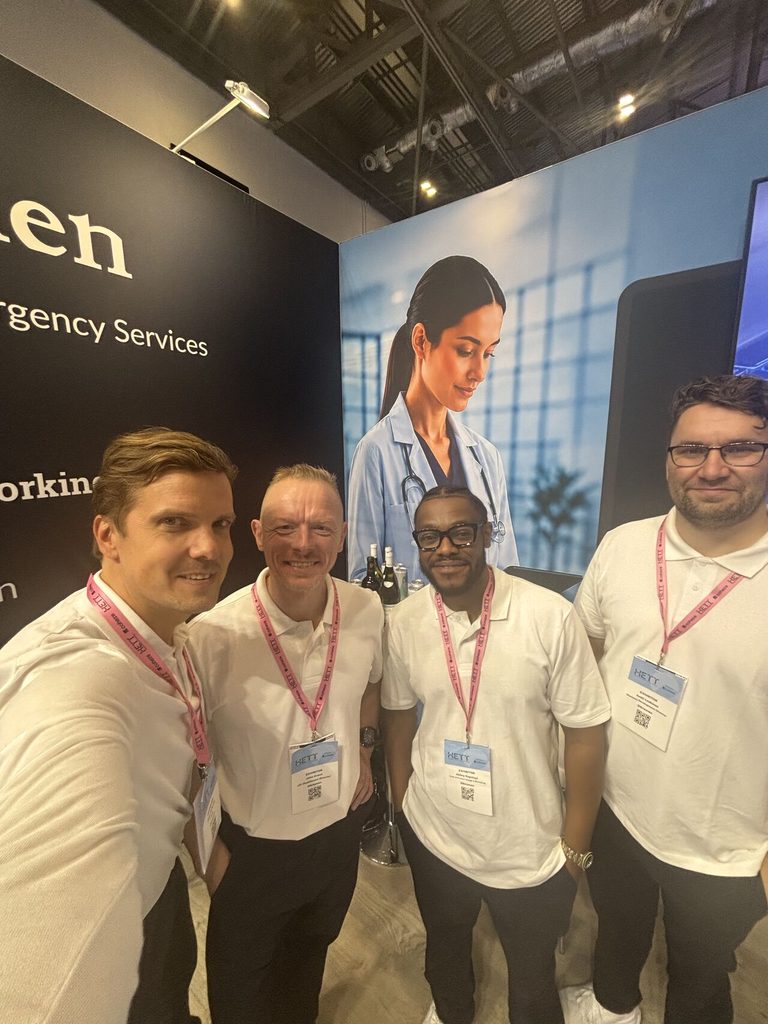
We came away with new connections, new ideas and plenty of conversations to continue over the coming weeks.
But perhaps our biggest takeaway was simply how much the UK healthcare technology landscape is advancing.
There is a clear appetite for greater efficiency, better-connected systems and responsible use of AI, while keeping the healthcare professional and patient at the centre of that change.
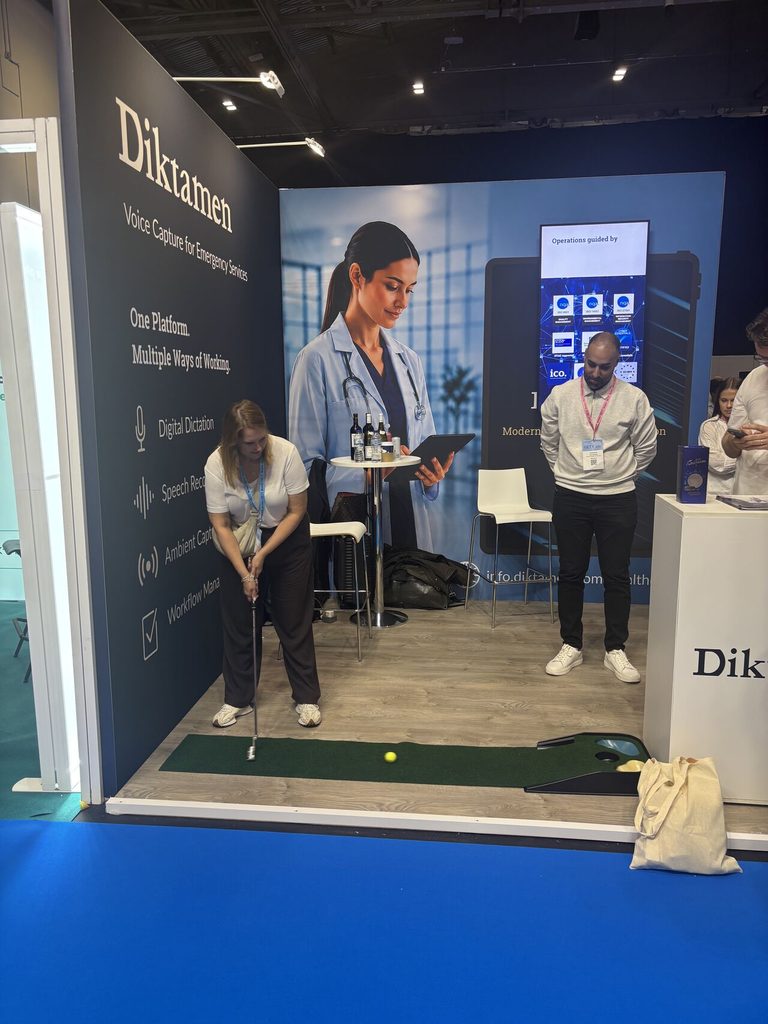
Thank you to everyone who visited the Diktamen stand, shared their experiences with us and, of course, took part in our putting challenge.
We look forward to continuing the conversations.
Diktamen
Capture once. Deliver everything.